

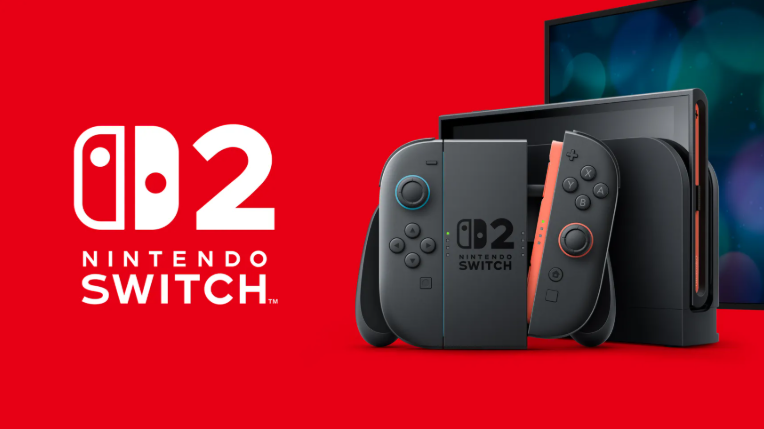
Recent headlines claiming that Nintendo is cutting Switch 2 production have generated a lot of strong reactions online. Some posts are already suggesting weakening demand, a shrinking console market, or even the beginning of the end for traditional hardware cycles.
Before jumping to those conclusions, it is important to point out one key detail. These reports are not confirmed by Nintendo.
The story is based on anonymous supply-chain sources, not official guidance, not earnings reports, and not statements from the company itself. That distinction matters, especially when similar reports in the past about Nintendo hardware have later been denied or proven inaccurate. Supply-chain information can be useful, but it is not always a reliable indicator of long-term performance, and it should not be treated as the final word on the health of a platform.
Even if we assume the numbers being reported are directionally correct, the bigger picture still looks very strong.
Switch 2 launched at a record-breaking pace and is still tracking toward roughly 20 million units in its first fiscal year based on current expectations. That would put it among the fastest starts in Nintendo’s history and above many of the projections analysts had before the system even released. Early forecasts were more conservative, with expectations closer to the mid-teens in millions, not twenty million. Nintendo has historically provided cautious hardware forecasts early in a system’s lifecycle, and several past platforms, including the original Switch, exceeded initial expectations once software momentum increased.
In other words, even with a possible production adjustment, the system would still be outperforming what many expected going into the launch.
Another point that is being overlooked is software timing.

Nintendo did launch the system with one of its major flagship titles, Mario Kart World, which served as the primary software driver at release. However, the system has not yet been followed up with the additional evergreen franchises that traditionally push Nintendo hardware to its highest levels. There is still no new 3D Mario, no mainline Pokémon, no Zelda, and no Smash Bros. on the platform. Historically, these follow-up releases are what move a system from a strong launch to sustained long-term growth. Even with only one flagship title available so far, Switch 2 sales are outpacing the original Switch at the same point in its lifecycle and continue to exceed early expectations. Early hardware sales are often driven by launch enthusiasm, but sustained growth depends on continued software momentum, and current trends suggest the platform is maintaining that momentum rather than losing it.
What makes the current situation more interesting is that hardware momentum may already be receiving an additional boost from software that was not expected to act as a major system seller. Pokémon Pokopia, for example, has surprised many analysts by reaching a Metacritic score around 90 and generating strong early engagement. However, the game released only recently, and Nintendo has not yet reported hardware sales that would reflect its impact. If upcoming sales data shows another surge following Pokopia’s release, it would represent yet another push in hardware demand without the presence of Nintendo’s traditional evergreen franchises. Strong hardware growth under those conditions would reinforce the idea that the platform has not yet reached its peak adoption phase.

We have also seen this pattern before. The DS, the Wii, and the original Switch all had periods where production, forecasts, or expectations were adjusted early in the cycle. Those changes did not signal the end of demand. In many cases, they happened before the systems reached their biggest years. Post-launch production adjustments are also common across the industry, not just for Nintendo. Manufacturers frequently recalibrate output after launch once real demand data replaces pre-release estimates and holiday forecasts.
It is also worth being cautious about treating every report as definitive. Over the past several years, there have been multiple high-profile stories about Nintendo and PlayStation production plans that were later corrected, denied, or changed. That does not mean every report is wrong, but it does mean the industry has a history of reacting too quickly to incomplete information.
The important takeaway right now is simple.
Switch 2 is still selling at a historically strong pace. It is still on track for roughly 20 million units in its first fiscal year. It has not yet had releases from its biggest franchises. And the production cut story is based on unconfirmed sources, not on official guidance from Nintendo.
That is not the sign of a platform in trouble.
If anything, the available data suggests the system is still in the early phase of its lifecycle. With major franchises still unreleased and hardware sales already tracking ahead of initial expectations, the more likely outcome is continued growth rather than decline. Production rumors based on unconfirmed sources do not change that underlying trend.
