Video Games have been around for quite some time now, from the pioneering OXO to the likes of GTA VI. They have evolved from simple puzzles and high scores to immersive experiences that can teach young people fundamental learning skills like problem-solving. As video games become more mainstream and more accessible to young children, it is understandable how parents who never played video games may be concerned about how they may affect their children. If you are such a parent, you may find the following parenting guide rather helpful.
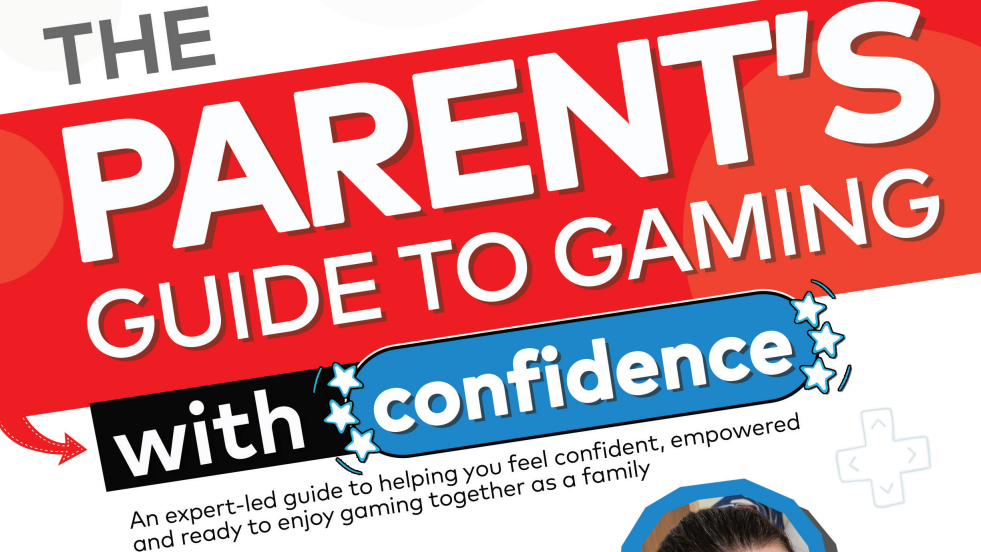
It is the Parent’s Guide To Gaming With Confidence, a collaborative effort by Nintendo and Family Gaming Database’s Andy Robertson. The guide was created with progressive research to inform parents so they are more confident in balancing gaming activities in their family life (including a survey of 2000 UK parents of children aged 7-16, conducted by OnePoll between 17th September 2026 and 24th September 2026 on behalf of Nintendo).
The Parent’s Guide To Gaming With Confidence covers multiple topics like age ratings, screen time, parental controls, as well as the benefits that gaming can have on children in terms of experimentation, cooperation, and creativity. If you would like to know more, then please be sure to read the official press release from Nintendo UK below. You can also find a link to the Parent’s Guide to Gaming With Confidence at the end of the statement. We hope you will find it insightful and that it may bring you closer to your children and their hobbies.
GAMING IS THE HOBBY UK PARENTS UNDERSTAND LEAST, AS TWO THIRDS MAKE DECISIONS WITHOUT FEELING FULLY INFORMED
Seven in ten parents rely on their child to explain gaming terminology, while one in three say a better understanding would help them make decisions with greater confidence
26th October 2026: Gaming has become the hobby UK parents understand least, according to new research commissioned by Nintendo, with more than two-thirds (68%) saying they make decisions about their child’s gaming without always feeling fully informed.
The findings reveal a clear “Parent Confidence Gap” around gaming. Seven in ten parents (71%) admit they rely on their child to explain gaming terminology, trends or issues, while one in three (34%) say understanding more about their child’s gaming would help them feel more confident making decisions.
Gaming: The Hobby Parents Understand Least
Parents are navigating a rapidly changing digital world, with conversations about social media, online safety and children’s digital lives increasingly part of family life. From debates around social media bans to the introduction of the Online Safety Act, families are trying to make informed decisions for their children.
As gaming becomes an increasingly important part of many children’s lives, the research suggests it is also the hobby parents feel most out of touch with. More than a quarter (28%) say gaming is the interest they understand least, compared with watching online content (16%), social media (15%) and sports (10%).
Questions Parents Often Ask
Parents’ concerns centre on the practical realities of gaming, including screen time (35%), exposure to inappropriate content (28%) and who children are talking to while playing (25%). The research also suggests parents are actively looking for practical support.
When asked what would help them feel more confident about their child’s gaming habits, the most common responses were guidance on managing screen time (37%), setting parental controls (32%) and understanding game content (30%). At the same time, almost one quarter (24%) say parental controls are among the gaming topics they feel least informed about.
Ellie Gibson, games journalist and co-host of Scummy Mummies, said: “A lot of the conversation around gaming focuses on the risks, but we don’t always spend enough time talking about the positives. Gaming can be creative, social and a brilliant way for families to spend time together. Not all gaming experiences are the same, and understanding what children are actually doing when they play can give parents a much more balanced view of the role gaming has in their lives.”
A Parent’s Guide to Gaming with Confidence
To help bridge this confidence gap, Nintendo has commissioned a new Parent’s Guide to Gaming with Confidence, written by family gaming expert Andy Robertson alongside experts including child psychologist Dr Amanda Gummer and games journalist Ellie Gibson.
The guide is designed to help parents feel informed, empowered and confident when navigating gaming as part of modern family life. It covers practical topics including game age ratings, online safety, screen time, parental controls and the different types of gaming experience.
Andy Robertson, family gaming expert, said: “This research matches what I find when helping parents worried about video games: the most important thing is gaining literacy about the video games their children enjoy. Rather than giving parents and carers another set of rules to enforce or actions to take, this approach empowers parents to make informed decisions about how video games work for their family. Creating the Parent’s Guide to Gaming in association with Nintendo was a chance to address fears and concerns as well as build literacy, understanding and confidence.”
Not All Gaming Is the Same
Despite their concerns, parents recognise the benefits gaming can offer. More than half (58%) believe video games can help children develop problem-solving skills, while 45% say gaming can encourage teamwork and creativity. A further 30% believe gaming can help children develop communication skills.
The guide helps parents understand that not all gaming experiences are the same and explores the benefits different games can offer, from critical thinking and persistence to independence, confidence and a sense of belonging.
The research also highlights the role gaming can play in bringing families together. More than three in five parents (61%) say they play video games with their child regularly or occasionally. Among parents who play video games with their child, 44% say it leads to more laughter, 43% say it helps them better understand their child’s interests, and 38% say it creates more opportunities for conversation. Two in five (40%) also report a stronger family connection through shared gaming experiences.
Dr Amanda Gummer, child psychologist and founder of The Good Play Guide, said: “Technology is evolving so quickly that many parents feel they’re being asked to navigate a world that didn’t exist when they were growing up. I see families trying to keep pace with new games, platforms, and online trends, often without the information they need to feel confident. Parents shouldn’t be expected to have all the answers. Access to trusted, practical guidance is key to helping families make informed decisions about gaming.”
I am Chief Administrator for Miketendo64.com A news & reviews website for Nintendo related articles and merchandise. An intermediate gamer with over 20 years of experience spanning 4 decades and 4 generations of Nintendo Games Consoles From the NES up to the Wii U.
I also manage our YouTube Channel where I post videos frequently ranging from Let's Plays, Unboxings, Let's Talk Abouts, Our Wii U Lv1 Playthrough Series and the Super Mario Maker Bros Show! and a whole lot more, we even have our own Miketendo64 Directs!
Websites store cookies to enhance functionality and personalise your experience. You can manage your preferences, but blocking some cookies may impact site performance and services.
Essential cookies enable basic functions and are necessary for the proper function of the website.
Name
Description
Duration
Cookie Preferences
This cookie is used to store the user's cookie consent preferences.
30 days
These cookies are needed for adding comments on this website.
Name
Description
Duration
comment_author
Used to track the user across multiple sessions.
Session
comment_author_email
Used to track the user across multiple sessions.
Session
comment_author_url
Used to track the user across multiple sessions.
Session
Statistics cookies collect information anonymously. This information helps us understand how visitors use our website.
Google Analytics is a powerful tool that tracks and analyzes website traffic for informed marketing decisions.
Contains information related to marketing campaigns of the user. These are shared with Google AdWords / Google Ads when the Google Ads and Google Analytics accounts are linked together.
90 days
__utma
ID used to identify users and sessions
2 years after last activity
__utmt
Used to monitor number of Google Analytics server requests
10 minutes
__utmb
Used to distinguish new sessions and visits. This cookie is set when the GA.js javascript library is loaded and there is no existing __utmb cookie. The cookie is updated every time data is sent to the Google Analytics server.
30 minutes after last activity
__utmc
Used only with old Urchin versions of Google Analytics and not with GA.js. Was used to distinguish between new sessions and visits at the end of a session.
End of session (browser)
__utmz
Contains information about the traffic source or campaign that directed user to the website. The cookie is set when the GA.js javascript is loaded and updated when data is sent to the Google Anaytics server
6 months after last activity
__utmv
Contains custom information set by the web developer via the _setCustomVar method in Google Analytics. This cookie is updated every time new data is sent to the Google Analytics server.
2 years after last activity
__utmx
Used to determine whether a user is included in an A / B or Multivariate test.
18 months
_ga
ID used to identify users
2 years
_gali
Used by Google Analytics to determine which links on a page are being clicked
30 seconds
_ga_
ID used to identify users
2 years
_gid
ID used to identify users for 24 hours after last activity
24 hours
_gat
Used to monitor number of Google Analytics server requests when using Google Tag Manager